cake decoration
Cake decoration has grown into a beloved creative practice that blends flavor with visual beauty. Many people see it as an artistic outlet while others enjoy it as a relaxing hobby. From simple home treats to elaborate celebration centerpieces the world of decorated cakes welcomes every skill level.

The best part is that anyone can learn how to create designs that feel special and personal. This guide explores essential techniques useful tools common styles and thoughtful tips that make the decorating process smooth and enjoyable. The goal is to give you a clear path to express your creativity while also helping you craft cakes that impress both the eye and the palate.
Understanding the basics of cake decoration
Good cake decoration begins with a solid foundation. A well baked cake with even texture and balanced flavor sets the stage for every design choice. Before any decorative work can begin the cake must cool completely which prevents the frosting from melting or slipping. Professionals often prepare cakes a day ahead so the crumb settles and the surface becomes easier to frost.
Frosting is the next important element. Many decorators use buttercream because it spreads smoothly and takes on color with ease. Others enjoy whipped cream for its light texture or fondant for its polished surface. Each option works well as long as it complements the flavor of the cake and holds its shape.
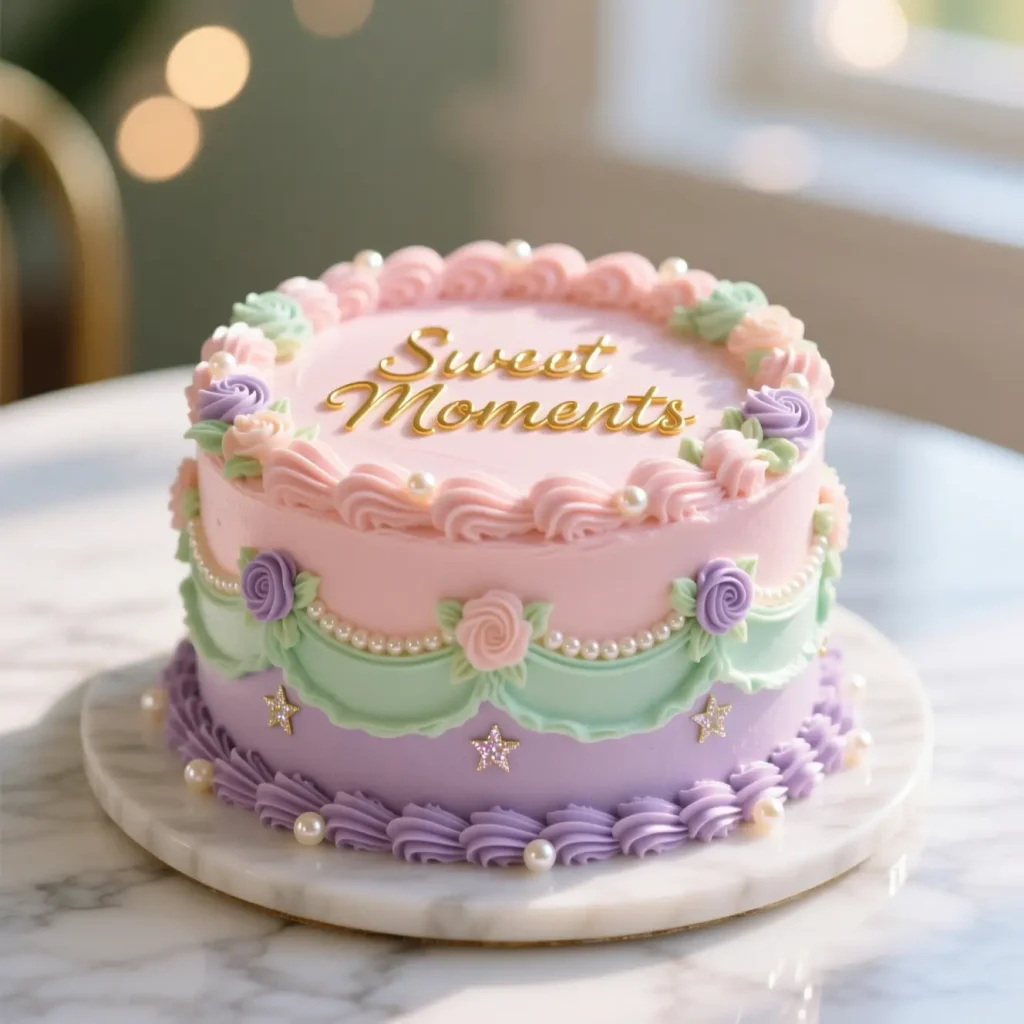
Color plays a vital role in making a decorated cake come alive. Gel colors are preferred since they add vibrant tones without thinning the frosting. Soft pastels create gentle inviting cakes while bold rich shades deliver striking designs that stand out on any dessert table. Choosing a thoughtful color palette can completely transform the mood of your creation.
Essential tools every decorator should have
You do not need a large collection of tools to start decorating cakes. A few reliable pieces go a long way. Piping bags help you create borders flowers swirls and lettering. Couplers allow you to switch between piping tips without changing the entire bag. A turntable makes it easier to frost and smooth the cake from every angle since you can rotate it slowly as you work.
Offset spatulas are a favorite tool for many decorators. Their angled shape helps spread frosting evenly without dragging crumbs. A bench scraper or straight edged tool helps smooth the sides of the cake so the final design looks clean and refined. Simple tools such as toothpicks are great for marking guidelines or lifting small decorative elements.
As you grow more confident you may want to explore sugar flowers edible glitter textured mats or molds that create intricate patterns. Even so the most stunning cakes often rely on skill rather than expensive tools. Practice patience and creativity always go far.
Popular cake decoration styles
Cake decoration offers endless possibilities. Some styles lean toward elegance while others focus on fun charm or whimsy. The best style is the one that reflects your personality or suits the celebration.
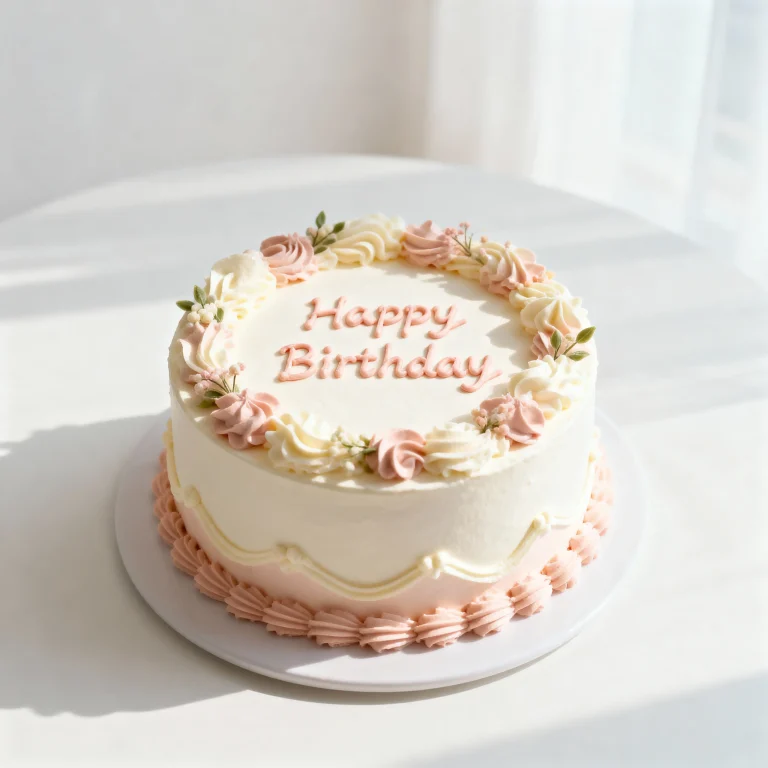
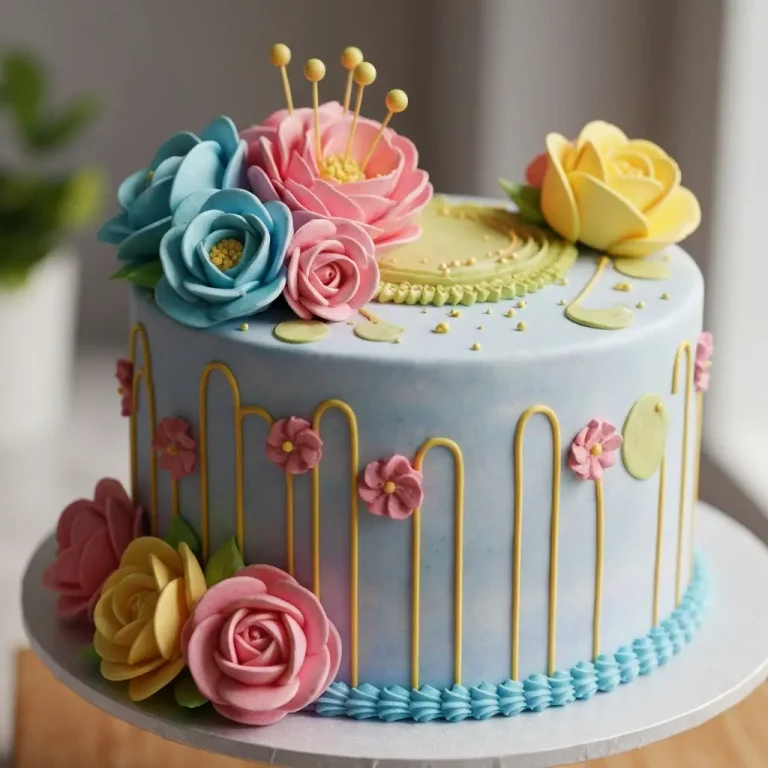
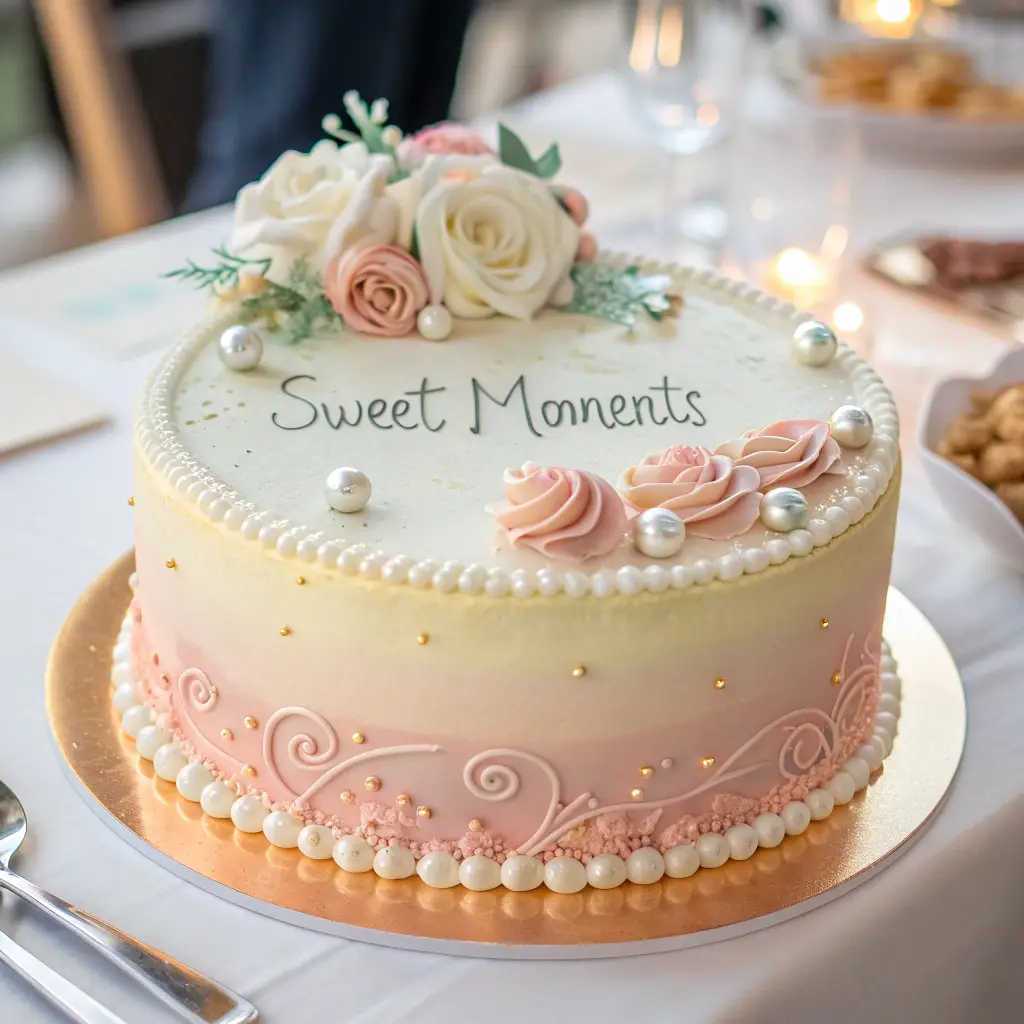
Buttercream cakes are timeless. Smooth sides gentle swirls and floral accents make these cakes perfect for birthdays anniversaries or weddings. Buttercream flowers such as roses peonies and daisies are popular choices because they look impressive and taste delicious.
Textured cakes have become a favorite trend. Using a spatula or piping bag you can create rustic ridges waves or petal inspired patterns. These textures add depth and movement making the cake feel alive and expressive.
Fondant cakes give a polished flawless finish. You can sculpt shapes wrap the cake in bold colors or add delicate lace designs. Fondant is especially useful for themed events since it allows endless shaping and modeling opportunities.
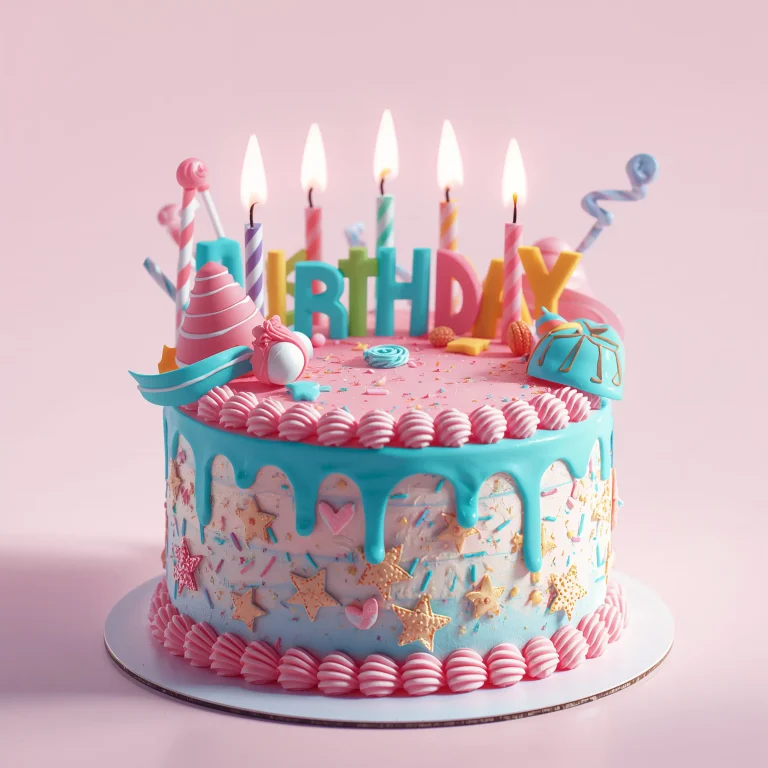
Drip cakes remain a crowd pleaser. A gentle stream of chocolate glaze flows from the top and drips along the sides creating a rich and playful effect. Many decorators place candies cookies or fresh fruit on top to complete the look.
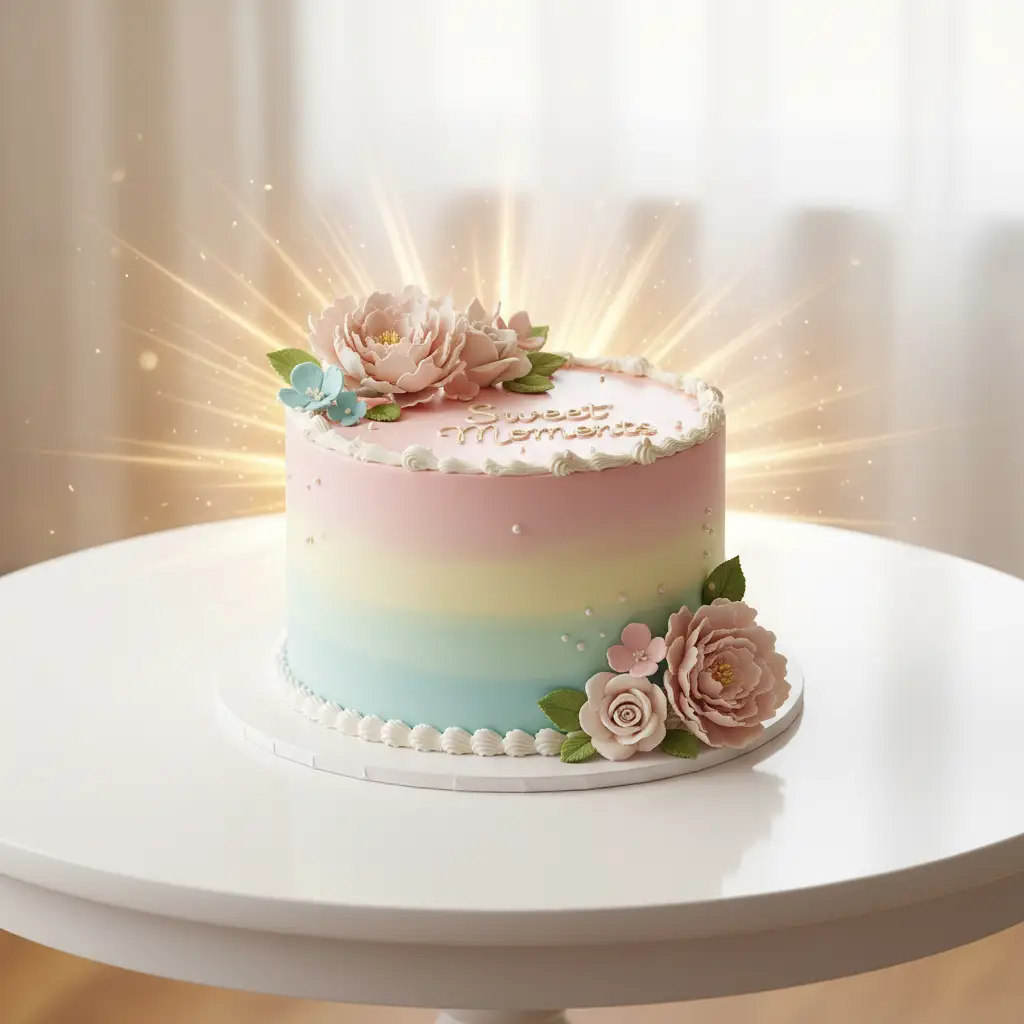
Minimalist cakes embrace simplicity. A smooth finish with a single flower or fresh greenery can feel refined and modern. This style suits people who love clean lines and subtle beauty.
Learning to pipe with confidence
Piping is a key skill in cake decoration. It requires control practice and understanding how frosting behaves. Beginners often start with simple dots stars and shells. These designs build confidence and help you gain a sense of pressure rhythm and movement.
Once these basics feel natural you can explore rosettes ruffles and other intricate patterns. Lettering is another valuable skill because it allows you to personalize every cake. A steady hand and slow movement create clean readable messages.
To improve your piping work practice on parchment or a plate before applying designs to the cake. Save leftover frosting so you can experiment freely. Over time you will develop the muscle memory needed to create consistent beautiful patterns.
Adding personal touches to your cake
Great cake decoration reflects your unique creativity. Small personal elements make your cakes feel memorable and heartfelt. Fresh flowers add elegance but always choose blooms that are safe for cakes. Wash the stems wrap them and place them gently into the frosting.
Fruit is another wonderful addition. Raspberries strawberries blueberries and citrus slices can brighten a simple design with fresh inviting color. Edible pearls sprinkles and metallic accents bring sparkle to a festive cake.
Hand painted designs offer a charming artistic touch. Using edible colors you can create soft brush strokes delicate leaves or abstract patterns. This technique is especially useful when you want a custom look but prefer not to sculpt or pipe many details.
Troubleshooting common cake decoration problems
Even experienced decorators face challenges. Frosting may crack or crust if exposed to air too long. Applying a thin layer of fresh frosting softens the surface and helps restore its smooth texture. If the frosting becomes too soft chill it briefly so it firms up.
Crumbs can appear on the surface when frosting the cake. A crumb coat solves this issue. Spread a thin layer of frosting to trap loose crumbs then chill the cake. Once set you can apply the final layer without interruption.
If piping details lose their shape the frosting may be too warm. A short chill helps it firm enough to hold clean lines. On the other hand if the frosting feels stiff add a small amount of liquid to restore a smooth workable consistency.
Frequently asked questions
What is the best frosting for beginners
Buttercream is ideal for beginners because it is forgiving easy to spread and simple to color.
How do I keep my cake from crumbling while frosting
Always cool the cake completely then apply a crumb coat before the final layer of frosting.
Can I decorate a cake the day before serving it
Yes in fact this often improves the flavor and helps the design set firmly. Store it in a cool place away from direct light.
How do I choose colors for my cake
Pick a simple palette of two or three tones so the design stays balanced and visually pleasant.
What tools should I buy first
Start with piping bags a few basic tips a turntable and an offset spatula. These tools support most beginner projects.
Conclusion
Cake decoration offers endless joy and room for personal expression. The process encourages creativity patience and a love for beautiful details. With steady practice you can transform simple baked cakes into meaningful treats that brighten celebrations and bring people together. Whether you enjoy soft buttercream flowers bold textured designs or vibrant themed creations you will find that each cake tells its own story. Enjoy the journey explore new ideas and let your imagination guide your hands as you continue to grow in this wonderful craft.