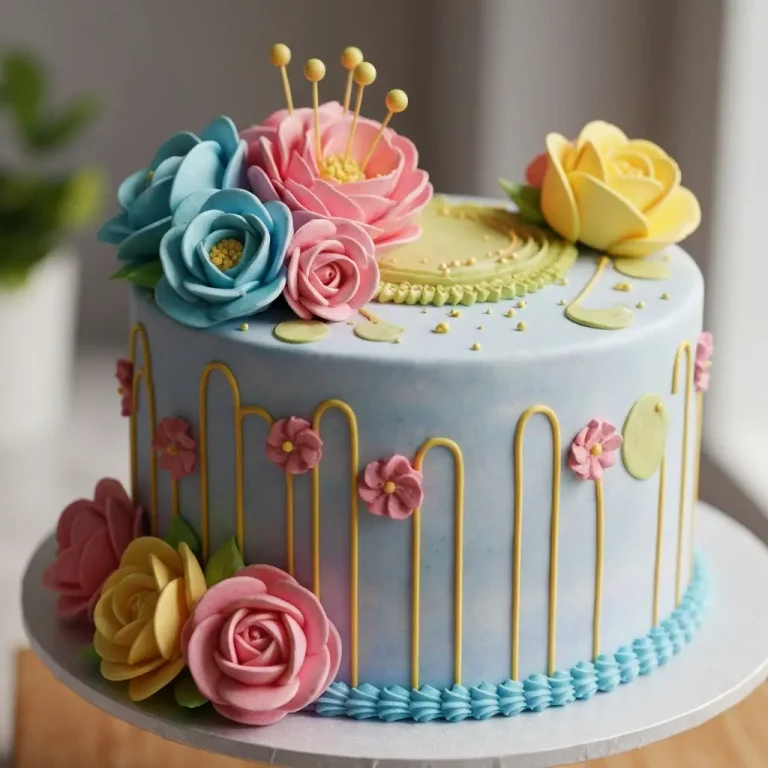
Homemade Birthday Cake: A Complete Guide to Baking the Perfect Treat
Celebrating birthdays is always special, and nothing makes it more memorable than a homemade birthday cake. Baking your own cake brings a personal touch that store-bought cakes cannot match.

From choosing the right ingredients to decorating it beautifully, a homemade cake can make any birthday unforgettable. This guide will walk you through everything you need to know about making the perfect birthday cake at home.
Why Choose a Homemade Birthday Cake
Making a cake from scratch allows you to control every aspect of it. You can choose the flavors, the level of sweetness, and even the dietary preferences of the person you are celebrating. Homemade cakes are fresher, healthier, and full of love. Unlike commercial cakes, which often contain preservatives and artificial ingredients, a cake you make at home will taste pure and natural. Additionally, baking a cake at home can be a fun and rewarding activity. It gives you the freedom to experiment with different flavors, fillings, and decorations. The joy of seeing someone smile when they see your creation is unmatched.
Essential Ingredients for a Homemade Birthday Cake
The foundation of any great cake starts with high-quality ingredients. Flour, sugar, eggs, butter, and baking powder are the basics. For flavor, vanilla extract, cocoa powder, or fresh fruits can be added. Using fresh ingredients ensures the cake will be moist and flavorful. The quality of butter and eggs can dramatically affect the texture. For a lighter cake, some bakers prefer using cake flour instead of all-purpose flour. For richer cakes, adding a touch of heavy cream can enhance the flavor and give a soft, fluffy texture. Even small variations in the ingredients can make a huge difference in the final result.

Choosing the Right Cake Flavor
The flavor of the cake sets the tone for the entire celebration. Classic options like chocolate, vanilla, and strawberry are always popular. For something unique, you can try red velvet, carrot cake, or lemon zest. The flavor can also influence the type of frosting and decorations you choose. Chocolate cake pairs beautifully with chocolate ganache or cream cheese frosting. Vanilla cakes work well with buttercream, whipped cream, or fruit-based toppings. Strawberry or raspberry cakes can be complemented with fresh fruit layers or a light cream filling. Choosing the right flavor requires considering the taste preference of the birthday person and the overall theme of the celebration.
Step-by-Step Guide to Baking a Birthday Cake
Baking a cake from scratch requires careful preparation. Start by preheating your oven to the recommended temperature. Grease your baking pans with butter or oil and dust them with flour to prevent sticking. Mixing ingredients in the right order is important. Cream butter and sugar together first, then add eggs one at a time. Alternate adding dry ingredients and liquids for even mixing. Pour the batter into the prepared pan and bake according to the recipe instructions. To check if the cake is ready, insert a toothpick into the center. If it comes out clean, the cake is done. Allow the cake to cool completely before frosting or decorating. Cooling ensures the cake maintains its shape and prevents the frosting from melting.
Frosting and Decorating Ideas
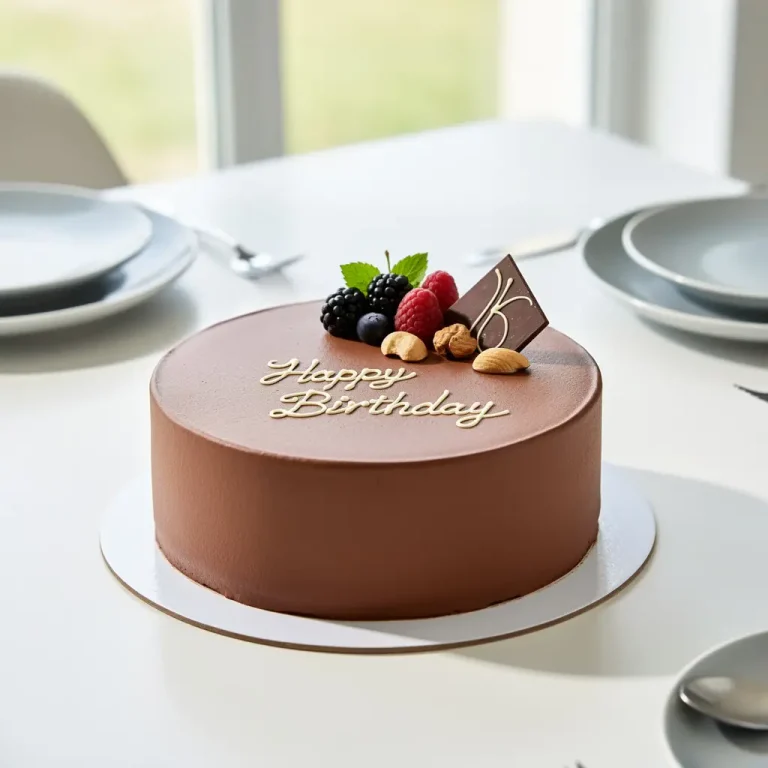
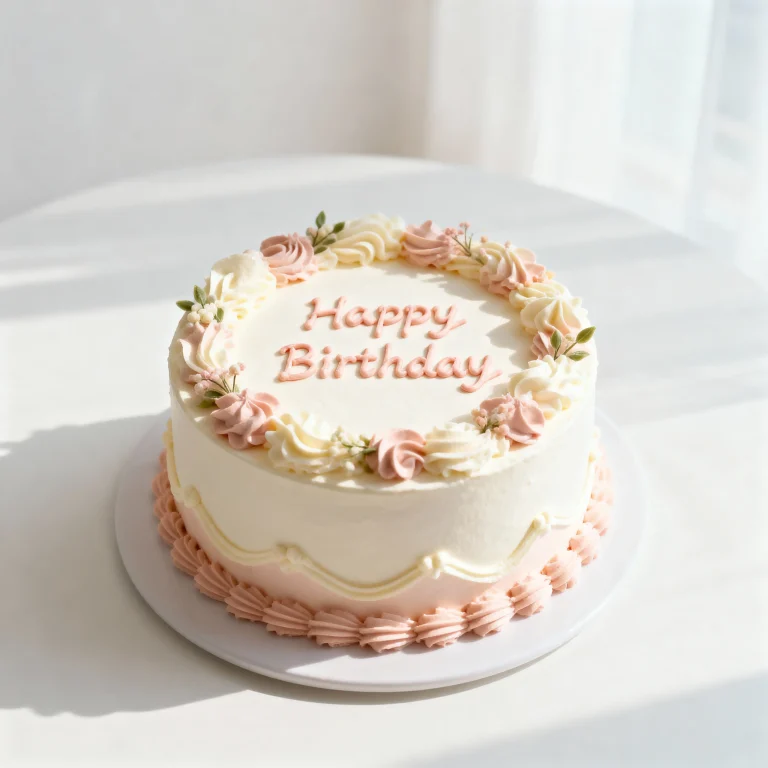
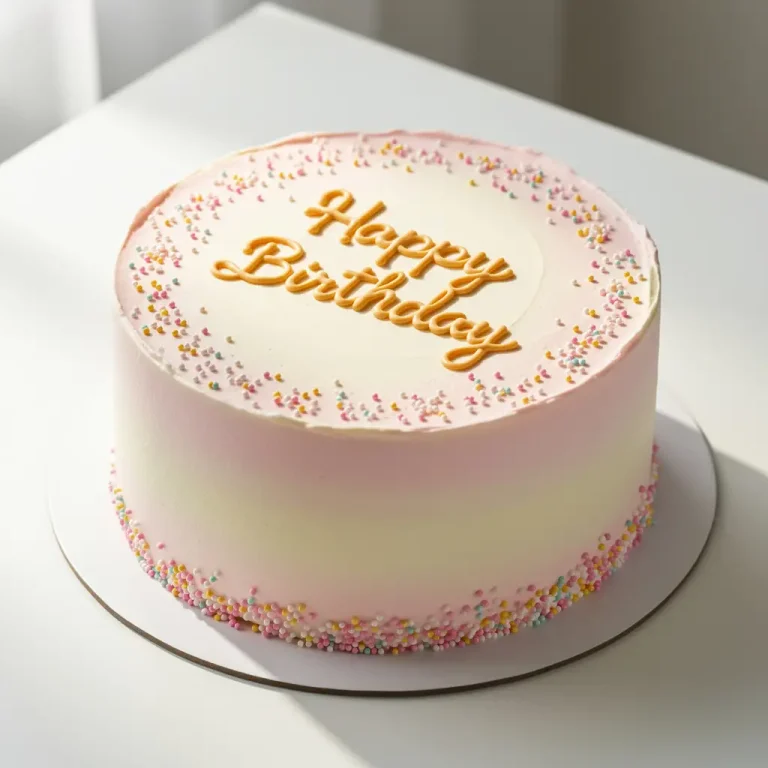
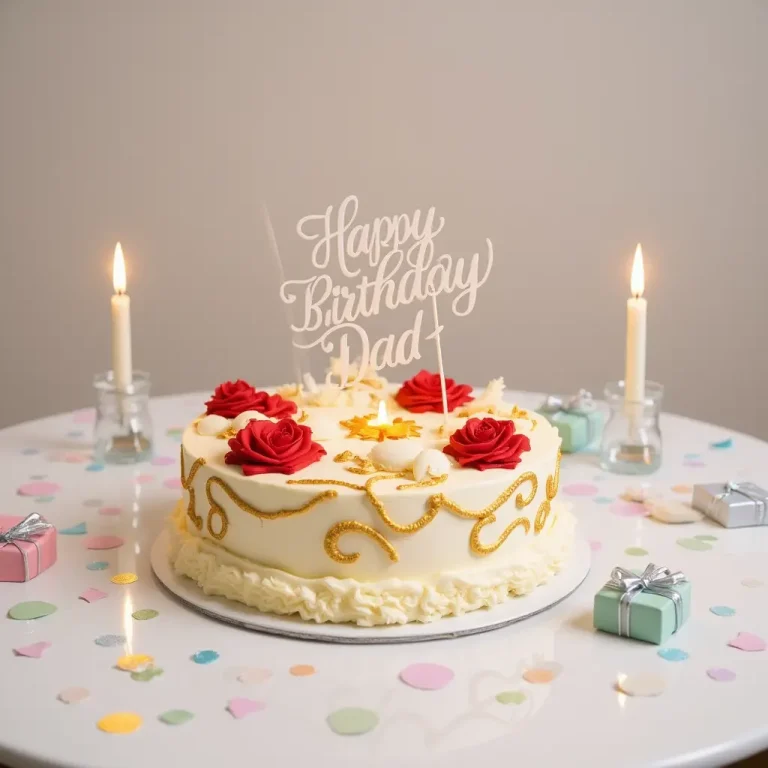
Frosting and decorating are where you can let your creativity shine. Buttercream, cream cheese frosting, whipped cream, and ganache are popular choices for homemade cakes. You can use food coloring to create vibrant designs or pipe intricate patterns with different tips. Fresh fruits, chocolate shavings, sprinkles, and edible flowers can enhance the visual appeal. For a professional look, consider layering the cake with filling such as fruit jam, chocolate mousse, or flavored cream. Decorating is not only about appearance but also about enhancing taste and texture. A well-decorated cake will impress everyone at the party and make the celebration memorable.

Tips for Perfect Homemade Cakes
Achieving the perfect homemade cake requires attention to detail. Always measure ingredients accurately. Overmixing can lead to dense cakes, while undermixing can leave lumps. Use room temperature eggs and butter for smoother batter. Grease the pan thoroughly to prevent sticking, and line it with parchment paper for easy removal. Bake in the center of the oven for even heat distribution. Once baked, allow the cake to cool completely before slicing or decorating. Patience is key. Rushing any step can affect the texture and taste. Following these tips ensures your homemade birthday cake turns out soft, moist, and full of flavor.
Common Mistakes to Avoid
Even experienced bakers sometimes make mistakes. Common errors include using cold ingredients, overbaking, or not properly preparing the pans. Another frequent mistake is frosting the cake before it has cooled, which can cause melting and uneven spreading. Skipping sifting of dry ingredients can lead to lumps. Ignoring the oven temperature or opening the oven door too often can result in a collapsed cake. Being aware of these pitfalls helps you prevent them and ensures your cake comes out perfectly every time. Learning from mistakes is part of the baking journey and improves your skills over time.

Storing and Serving Homemade Cakes
Proper storage keeps your cake fresh and delicious. Most cakes can be stored at room temperature for one to two days if covered properly. For longer storage, refrigerate in an airtight container. Cakes with cream-based frosting should always be refrigerated to prevent spoilage. When serving, slice the cake evenly to maintain presentation. Using a warm knife can help achieve clean cuts. Allow the cake to come to room temperature before serving refrigerated cakes for the best flavor and texture. Homemade cakes are best enjoyed fresh, and sharing them with friends and family creates cherished memories.
Benefits of Baking at Home
Baking your own birthday cake offers numerous benefits beyond flavor and freshness. It provides a sense of accomplishment and satisfaction. Homemade cakes are often healthier, allowing you to control sugar, fat, and allergens. Baking can also be a therapeutic activity, reducing stress and fostering creativity. Most importantly, homemade cakes show thoughtfulness and effort. They convey love and care in a way that no store-bought cake can replicate. Sharing a homemade birthday cake strengthens bonds and makes celebrations more meaningful. The effort put into creating it often becomes part of the cherished memory.
FAQs About Homemade Birthday Cakes
What is the easiest homemade birthday cake to bake?
A classic vanilla cake is one of the easiest. It requires simple ingredients and straightforward steps, making it perfect for beginners.
How long can a homemade cake stay fresh?
Cakes stored at room temperature in an airtight container usually last one to two days. Refrigerated cakes can last up to five days depending on the ingredients.
Can I make a cake without eggs?
Yes. Egg substitutes like applesauce, mashed bananas, or commercial egg replacers can be used to make a moist and flavorful cake.
What is the best frosting for beginners?
Buttercream frosting is easy to make and versatile. It can be flavored with vanilla, chocolate, or fruit extracts and colored with food coloring.
How do I prevent my cake from sticking to the pan?
Grease the pan with butter or oil, and dust it lightly with flour. Lining the pan with parchment paper also ensures easy removal.
Can I freeze a homemade cake?
Yes. Wrap the cake tightly in plastic wrap and place it in an airtight container. It can be frozen for up to three months and thawed before serving.
Conclusion
A homemade birthday cake is more than just a dessert. It is a labor of love, a symbol of care, and a centerpiece for celebration. Baking at home allows creativity to flourish and flavors to shine. Every slice tells a story of effort, thoughtfulness, and joy. From selecting ingredients to decorating, each step contributes to the final masterpiece. Sharing a homemade cake makes birthdays unforgettable and brings people closer.